
“
Ritalin – An In-Depth Look
Ritalin is a prescription medication primarily used to manage Attention Deficit Hyperactivity Disorder (ADHD) and narcolepsy. It contains methylphenidate, a central nervous system stimulant that helps increase attention, focus, and impulse control. Ritalin works by balancing neurotransmitters such as dopamine and norepinephrine in the brain, which improves concentration and reduces hyperactive behavior. With proper medical supervision, Ritalin is effective in enhancing academic and work performance in patients with ADHD. Misuse can cause side effects and dependency, so strict adherence to dosage guidelines is essential.
What is Ritalin?
Ritalin is a stimulant medication used to:
- Improve focus and attention in ADHD patients
- Reduce hyperactivity and impulsive behavior
- Treat narcolepsy, helping maintain wakefulness during the day
- Occasionally prescribed off-label for cognitive fatigue under doctor supervision
It is not a replacement for proper sleep or lifestyle management.
How Does Ritalin Work?
- Increases dopamine and norepinephrine in the brain
- Enhances focus, concentration, and impulse control
- Reduces restlessness and hyperactivity
- Supports cognitive performance and mental alertness
Medical Uses of Ritalin
- ADHD: improves attention, focus, and behavior control
- Narcolepsy: reduces daytime sleepiness and fatigue
- Off-label: sometimes used for enhanced alertness under medical guidance
We provide :
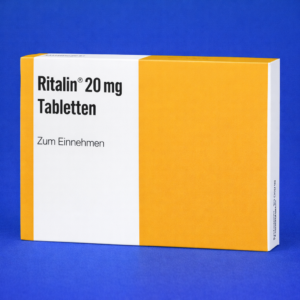
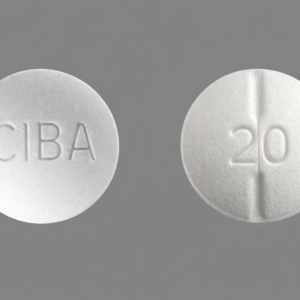
Ritalin 20 mg
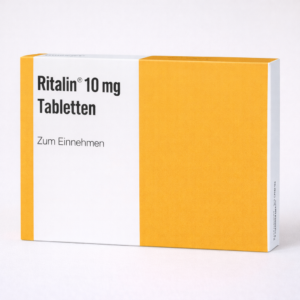
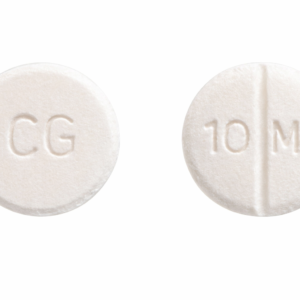
Ritalin 10 mg
Dosage & Administration – Ritalin (Dosing Guide)
- Typically taken 1–3 times daily, depending on the formulation
- Can be short-acting or extended-release
- We provide these strengths too: 5 mg, 10 mg, 20 mg
- Do not exceed prescribed dose
- Take with or after meals to reduce stomach upset
Other Common Side Effects of Ritalin
- Headache
- Nervousness or anxiety
- Difficulty sleeping
- Loss of appetite
- Dizziness
Warnings and Precautions for Ritalin
- Avoid if you have heart problems, high blood pressure, or glaucoma
- Monitor mental health for signs of anxiety or mood changes
- Risk of dependency or misuse
- Avoid other stimulants or alcohol while taking
- Always follow medical guidance
Conclusion
Ritalin is an effective stimulant medication for managing ADHD and narcolepsy. It enhances focus, attention, and mental alertness while controlling hyperactivity and impulsive behavior. Safe use requires strict adherence to dosage guidelines and medical supervision, minimizing side effects and preventing misuse. Understanding proper dosing, potential risks, and precautions ensures optimal outcomes. Ritalin remains a trusted solution for patients needing enhanced cognitive function, attention, and daytime wakefulness.
Frequently Asked Questions (FAQs)
- What is Ritalin used for?
ADHD and narcolepsy treatment. - Is Ritalin addictive?
Potential risk exists; misuse is harmful. - How should it be taken?
Orally, as prescribed; short-acting or extended-release. - What are common side effects?
Headache, insomnia, anxiety, appetite loss, dizziness. - Can Ritalin be used off-label?
Yes, only under doctor supervision.