

Hydrocodone – An In-Depth Look
Hydrocodone is a prescription opioid pain medication used to relieve moderate to severe pain when standard pain relievers are not effective. It works by interacting with specific receptors in the brain that control pain signals. Hydrocodone is often prescribed after surgery, injury, or for acute pain conditions that require stronger relief. In many cases, it is combined with other ingredients to enhance pain control. When taken responsibly and under medical supervision, hydrocodone can reduce discomfort and help patients recover more comfortably while maintaining daily function.
What is Hydrocodone?
Hydrocodone is an opioid analgesic designed to reduce the body’s response to pain. It affects the central nervous system, helping to lower pain intensity and improve comfort. This medication is typically prescribed when pain is too strong for over-the-counter treatments. Hydrocodone is available in multiple strengths and formulations, allowing doctors to choose an option that fits the patient’s needs. Because it can be habit-forming if misused, hydrocodone should only be taken exactly as prescribed and for the shortest duration necessary.
How Does Hydrocodone Work?
- Blocks pain signals in the brain
- Alters pain perception
- Reduces discomfort levels
- Creates a calming pain response
Medical Uses of Hydrocodone
- Post-surgical pain
- Injury-related pain
- Severe dental pain
- Acute muscle or joint pain
- Short-term pain management
Dosage & Administration – Hydrocodone (Dosing Guide)
- Take only as prescribed
- Usually taken every 4–6 hours
- Swallow tablets whole with water
- Do not exceed prescribed dose
- Dosage depends on formulation
We provide:
Hydrocodone 10-660 mg – longer-lasting pain relief
Hydrocodone 10-500 mg – moderate to severe pain
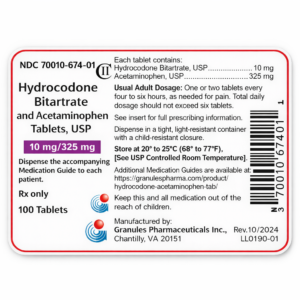
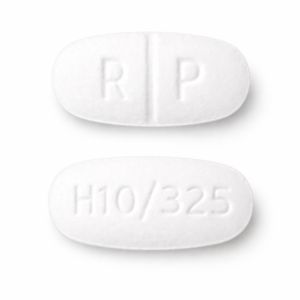
Hydrocodone 10-325 mg – commonly prescribed strength
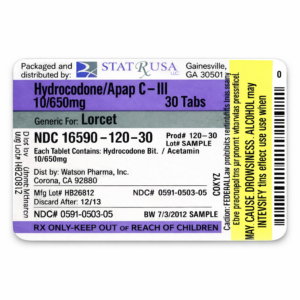
Hydrocodone 10-650 mg – balanced pain control option
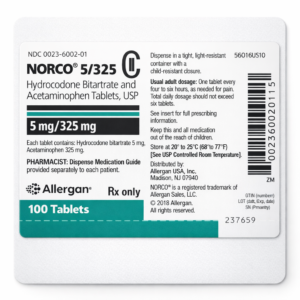
Hydrocodone 5-325 mg – lower-dose pain management
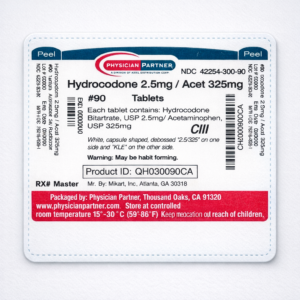
Hydrocodone 2.5/500 mg – mild pain relief option
Hydrocodone 10/750 mg – higher acetaminophen combination
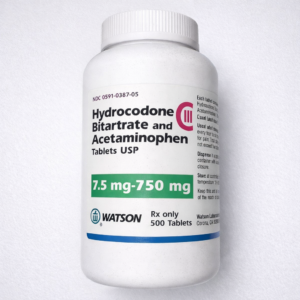
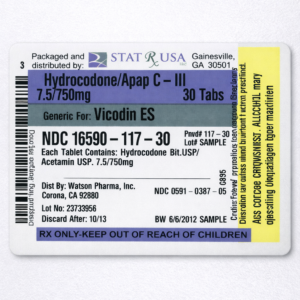
Hydrocodone 7.5/750 mg – mid-strength pain support
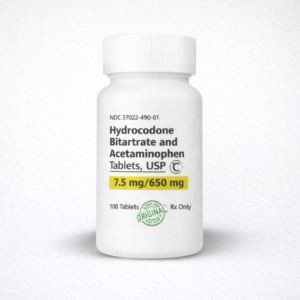
Hydrocodone 7.5/650 mg – moderate pain relief choice
Other Common Side Effects Associated with Hydrocodone Include:
- Drowsiness
- Nausea
- Constipation
- Dizziness
- Headache
Most side effects improve with proper use.
Warnings and Precautions for Hydrocodone
- Avoid alcohol during treatment
- May cause dependence if misused
- Do not drive until effects are known
- Not intended for long-term use
- Follow medical advice carefully
Conclusion
Hydrocodone is an effective medication for managing moderate to severe pain when other treatments are not sufficient. Its ability to reduce pain signals can improve comfort and support recovery when used correctly. Because it is an opioid, careful dosing and medical supervision are essential to reduce risks. When taken as prescribed, hydrocodone can provide dependable short-term pain relief while helping patients regain daily comfort and function.
Frequently Asked Questions (FAQs)
- Is hydrocodone a strong painkiller?
Yes, it is used for moderate to severe pain. - How quickly does hydrocodone work?
Relief usually begins within an hour. - Can hydrocodone be taken daily?
Only for short-term use as prescribed. - Does hydrocodone cause drowsiness?
Yes, sleepiness is common. - Is hydrocodone habit-forming?
Misuse can lead to dependence.