

Tramadol – An In-Depth Look
Tramadol is a centrally acting opioid analgesic used to manage moderate to moderately severe pain. It provides effective relief while minimizing the intensity of pain signals sent to the brain. Tramadol is commonly prescribed for both acute and chronic conditions, including post-surgical recovery, injury-related pain, and certain chronic disorders. Unlike some other opioids, it has a dual mechanism, offering pain relief through opioid receptor binding and modulation of neurotransmitters. Proper usage under medical supervision is essential to avoid dependence, misuse, or side effects.
What is Tramadol?
Tramadol is a prescription painkiller that acts on the central nervous system to relieve moderate to moderately severe pain. It is often used when over-the-counter medications are insufficient. Tramadol is available in immediate-release and extended-release formulations, allowing doctors to tailor treatment for acute or long-term pain. As an opioid-like medication, it requires careful monitoring to prevent dependence, misuse, or interactions with other medicines. Patients are advised to follow dosing instructions strictly for safe and effective relief.
How Does Tramadol Work?
Tramadol works by binding to mu-opioid receptors in the brain and spinal cord, which regulate pain perception. Additionally, it inhibits the reuptake of serotonin and norepinephrine, enhancing its pain-relieving effect. This dual mechanism makes Tramadol effective for various types of pain, including neuropathic pain. It provides moderate pain relief without some of the stronger side effects seen with higher-potency opioids, though caution is still necessary.
Medical Uses of Tramadol
Tramadol is prescribed for:
- Moderate to moderately severe pain
- Post-surgical pain relief
- Chronic pain conditions
- Pain from injuries or accidents
- Neuropathic pain management
Dosage & Administration – Tramadol (Dosing Guide)
General guidelines:
- Immediate-release: 50–100 mg every 4–6 hours as needed (max 400 mg/day)
- Extended-release: 100 mg once daily, gradually increasing as needed (max 300 mg/day)
- Take with or without food
- Swallow tablets whole; do not crush or chew extended-release forms
- Follow the doctor’s instructions strictly for safe use
- We provide multiple strengths too
Available strengths we provide:
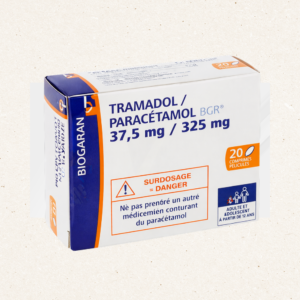
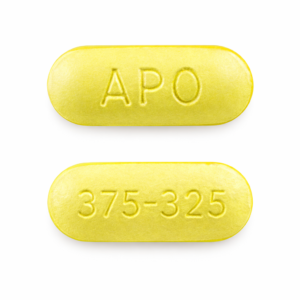
Tramadol 37.5/325 mg
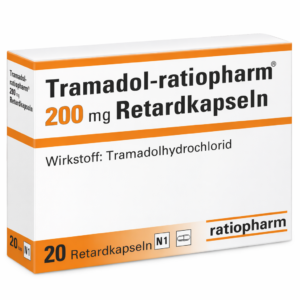
Tramadol 200 mg
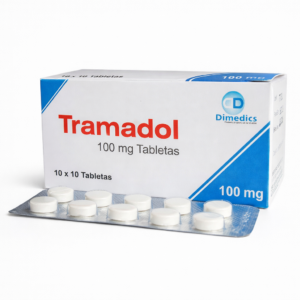
Tramadol 100 mg
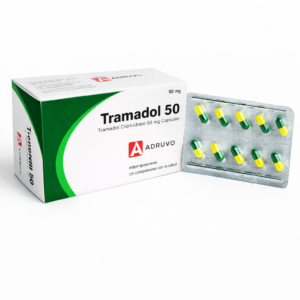
Tramadol 50 mg
Other Common Side Effects Associated with Tramadol
- Dizziness or drowsiness
- Nausea or vomiting
- Constipation
- Headache
- Dry mouth
Most side effects are mild and can be managed under medical supervision.
Warnings and Precautions for Tramadol
- Risk of dependence, addiction, or misuse
- May cause respiratory depression if taken in high doses
- Avoid alcohol and sedatives
- Use caution in patients with liver or kidney issues
- Do not abruptly stop without consulting a doctor
- Can interact with antidepressants and other medications
Conclusion
Tramadol is a moderate-strength opioid analgesic that effectively relieves pain through a dual mechanism of action. It is suitable for both acute and chronic pain management when used under strict medical supervision. Understanding its proper use, potential side effects, and precautions ensures safe and effective pain relief. Following prescribed dosing and monitoring for adverse effects helps patients manage pain while minimizing risks of dependence or other complications.
Frequently Asked Questions (FAQs)
- Who can take Tramadol?
Patients with moderate to moderately severe pain under medical supervision. - How long does Tramadol last?
Immediate-release lasts 4–6 hours; extended-release up to 24 hours. - Can Tramadol cause drowsiness?
Yes, mild drowsiness is common initially. - Is Tramadol addictive?
Yes, misuse or long-term use can lead to dependence. - Can it be taken with food?
Yes, it can be taken with or without food unless advised otherwise.