





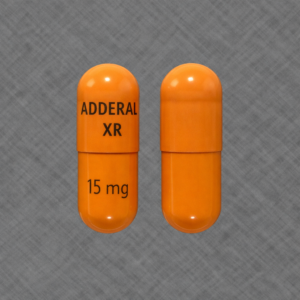
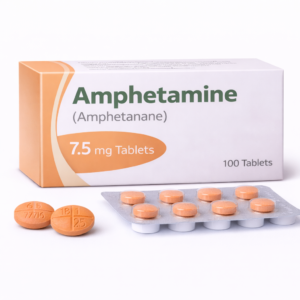

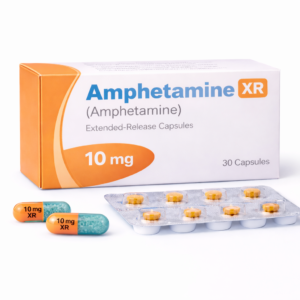

Adderall – An In-Depth Look
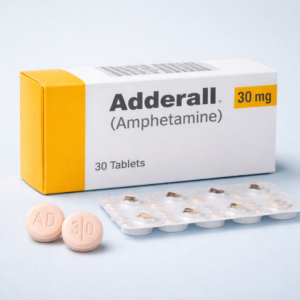
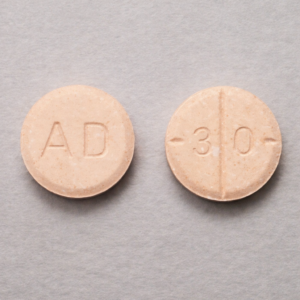
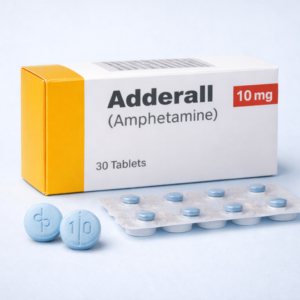
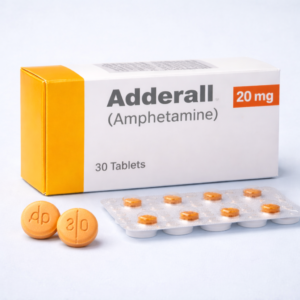
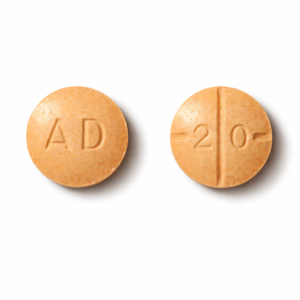
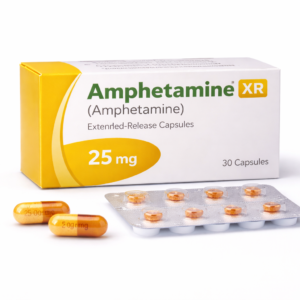
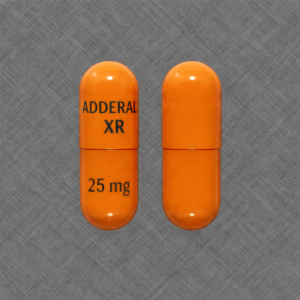
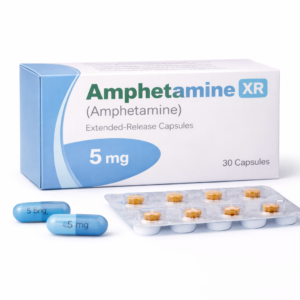
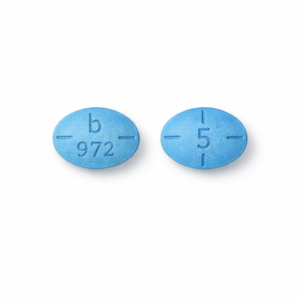
Adderall is a prescription stimulant medication used primarily for Attention Deficit Hyperactivity Disorder (ADHD) and narcolepsy. It contains a combination of amphetamine salts that help increase focus, attention, and impulse control. Adderall works by enhancing the activity of certain neurotransmitters in the brain, particularly dopamine and norepinephrine, which improves cognitive performance and reduces hyperactive or impulsive behavior. Proper use under medical supervision ensures effectiveness and safety, while minimizing side effects and risks of dependence.
What is Adderall?
Adderall is a central nervous system stimulant prescribed for:
- ADHD: improves attention, concentration, and behavioral control
- Narcolepsy: helps manage excessive daytime sleepiness
- Focus improvement in specific cognitive disorders (under strict supervision)
It should always be combined with behavioral therapy and lifestyle adjustments for optimal outcomes.
How Does Adderall Work?
- Stimulates dopamine and norepinephrine release
- Improves mental alertness, attention, and focus
- Reduces restlessness and impulsive behavior
- Provides sustained symptom management when taken as prescribed
Medical Uses of Adderall
- ADHD: enhances focus and reduces hyperactivity
- Narcolepsy: controls sleepiness during the day
- Off-label use under medical supervision for cognitive enhancement
Dosage & Administration – Adderall (Dosing Guide)
- Taken orally once or twice daily depending on doctor’s prescription
- Usually taken in the morning to avoid insomnia
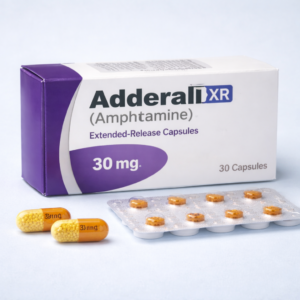
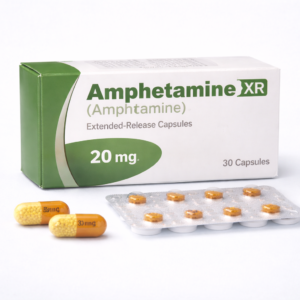
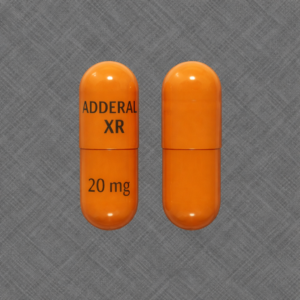
- Can be swallowed whole or as a tablet/capsule
- Follow all instructions carefully and avoid exceeding prescribed dose
Other Common Side Effects of Adderall
- Insomnia or trouble sleeping
- Dry mouth
- Decreased appetite
- Headache
- Increased heart rate or blood pressure
Warnings and Precautions for Adderall
- Avoid if you have heart disease, high blood pressure, or glaucoma
- Monitor for mood changes, anxiety, or agitation
- Risk of dependence or misuse
- Avoid alcohol and other stimulants
- Strictly follow doctor’s instructions
Conclusion
Adderall is an effective stimulant medication for managing ADHD and narcolepsy. It enhances focus, attention, and impulse control, providing sustained cognitive support throughout the day. Safe use requires adherence to prescribed dosage and regular medical supervision. Awareness of side effects, risks, and precautions is essential to maximize benefits and prevent misuse. Adderall is most effective when combined with behavioral therapy and lifestyle adjustments, ensuring better long-term management of symptoms.
Frequently Asked Questions (FAQs)
- What is Adderall used for?
ADHD and narcolepsy treatment. - Can Adderall be addictive?
Yes, misuse may lead to dependence. - How should Adderall be taken?
Orally, once or twice daily as prescribed. - What are common side effects?
Insomnia, dry mouth, decreased appetite, headache, increased heart rate. - Can Adderall be used off-label?
Yes, only under strict medical supervision.