
Methadone – An In-Depth Look
Methadone is a prescription medication used to manage severe pain and as part of opioid addiction treatment. It is a long-acting opioid that helps reduce withdrawal symptoms and cravings in patients recovering from opioid dependence. Methadone is taken orally under strict medical supervision. Its effects last longer than many other opioids, providing steady pain control. While effective, improper use can lead to addiction, respiratory depression, or overdose, so careful monitoring is essential.
What is Methadone?
Methadone is a synthetic opioid that acts on the same receptors as morphine and heroin but with a longer duration of action. It is primarily used to:
- Treat chronic severe pain
- Assist in opioid detoxification and maintenance therapy
- Reduce opioid cravings and withdrawal symptoms
Methadone must be prescribed and administered under medical supervision due to its potential for dependence, respiratory issues, and cardiac side effects.
How Does Methadone Work?
- Binds to opioid receptors in the brain and spinal cord
- Blocks pain signals and reduces the sensation of pain
- Suppresses opioid withdrawal symptoms in dependent patients
- Maintains stable opioid levels, reducing cravings
- Helps patients gradually wean off stronger opioids
Medical Uses of Methadone
- Chronic severe pain management
- Opioid withdrawal treatment
- Maintenance therapy for opioid dependence
- Reducing cravings and preventing relapse in recovering addicts
We provide :
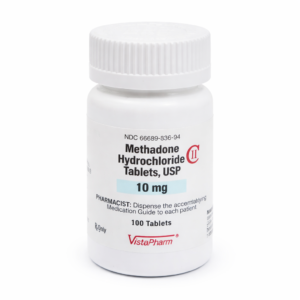
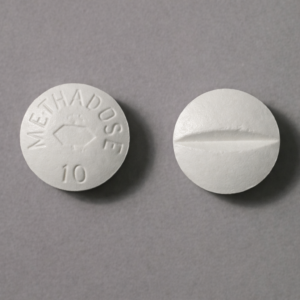
Methadone 10mg
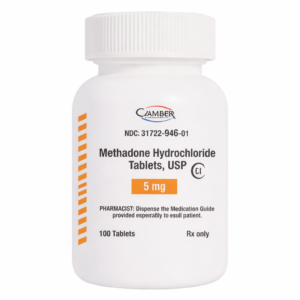
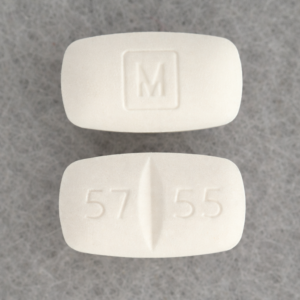
Methadone 5mg
Dosage & Administration – Methadone (Dosing Guide)
- Taken orally as a tablet, liquid, or dispersible form
- Dosage individualized based on pain level or addiction treatment needs
- Administered once daily for addiction therapy or multiple times for pain control
- We provide multiple strengths for safe dosing
- Patients monitored for side effects and cardiac function
Other Common Side Effects Associated with Methadone Include:
- Drowsiness or sedation
- Dizziness
- Nausea and vomiting
- Constipation
- Sweating
- Dry mouth
Warnings and Precautions for Methadone
- High risk of addiction, overdose, and respiratory depression
- Avoid alcohol and other CNS depressants
- May cause prolonged QT interval (heart rhythm problem)
- Use with caution in elderly or liver-impaired patients
- Must never stop suddenly without medical guidance
Conclusion
Methadone is a highly effective medication for managing chronic pain and supporting opioid addiction treatment. Its long-acting properties allow for steady pain control and reduction of withdrawal symptoms, helping patients maintain stability during recovery. When used responsibly under medical supervision, Methadone can improve quality of life while minimizing risks of addiction, overdose, and heart complications. Careful dosing and monitoring are essential to ensure safety and efficacy.
Frequently Asked Questions (FAQs)
- What is Methadone used for?
Pain relief and opioid dependence treatment. - Can Methadone be addictive?
Yes, misuse may lead to dependence. - How long does Methadone last?
Effects can last 24–36 hours. - Can I drink alcohol with Methadone?
No, it may cause serious side effects. - Is medical supervision necessary?
Yes, always required for safe use.