









OxyContin – An In-Depth Look
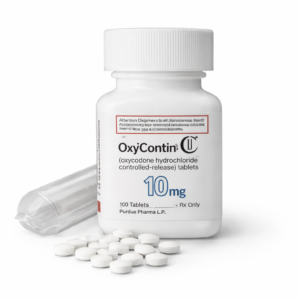
OxyContin is a powerful prescription opioid used to manage moderate to severe pain that requires long-term treatment. Unlike immediate-release painkillers, OxyContin is extended-release, meaning it works continuously for up to 12 hours, reducing the need for frequent doses. It is often prescribed for chronic pain conditions, post-surgical recovery, or severe injury-related pain. By acting on the nervous system, OxyContin reduces the perception of pain, allowing patients to perform daily activities more comfortably. Proper medical supervision is essential due to its potency and potential for misuse.
What is OxyContin?
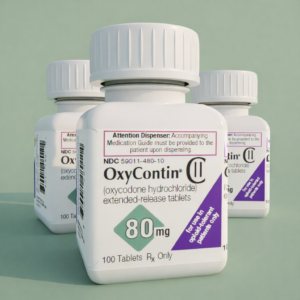
OxyContin is an extended-release form of oxycodone, a strong opioid painkiller. It is specifically designed to provide long-lasting relief for people with chronic or severe pain. Unlike immediate-release opioids, OxyContin maintains steady levels of medication in the body, which helps control pain throughout the day. It is available only with a doctor’s prescription and should be used cautiously to avoid dependence. Patients taking OxyContin should follow their doctor’s instructions carefully and never alter the dose without guidance.
How Does OxyContin Work?
OxyContin works by binding to opioid receptors in the brain and spinal cord. These receptors help control how the body senses and responds to pain. Once activated, OxyContin reduces the intensity of pain signals and changes how discomfort is perceived. Its extended-release formulation allows for long-lasting pain relief over 12 hours. Mild drowsiness or relaxation is common when starting treatment. Because of its strength, it is intended for patients who need consistent pain control and are familiar with opioids.
Medical Uses of OxyContin
OxyContin is commonly prescribed for:
- Chronic severe pain (e.g., nerve pain, arthritis)
- Cancer-related pain
- Post-surgical or injury-related pain requiring long-term management
- Patients who need sustained opioid therapy
Dosage & Administration – OxyContin (Dosing Guide)
The dose of OxyContin depends on pain severity, previous opioid experience, and overall health.
Guidelines for safe use:
- Take exactly as prescribed, usually every 12 hours
- Swallow tablets whole; do not crush, chew, or split
- Follow the schedule strictly to maintain steady pain relief
- Never adjust the dose without consulting a doctor
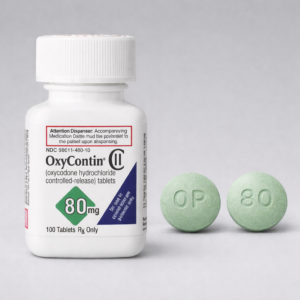
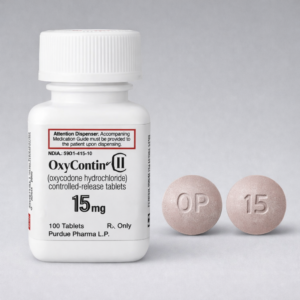
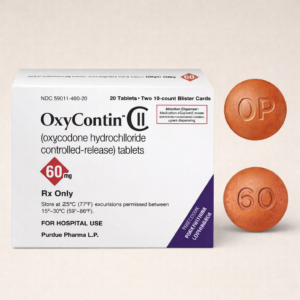
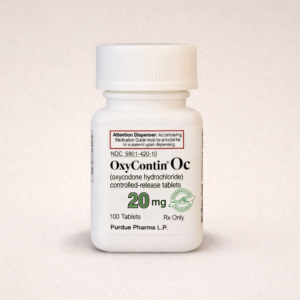
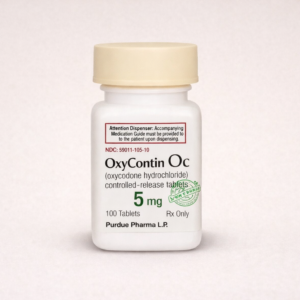
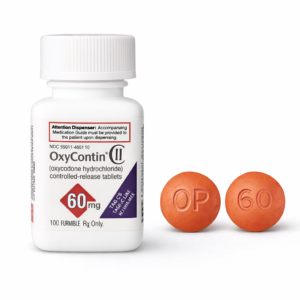
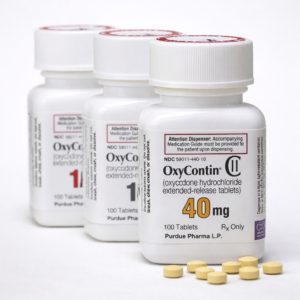
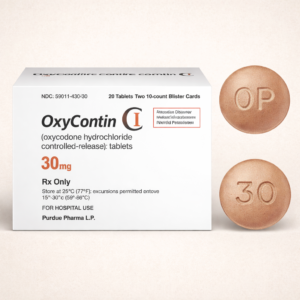
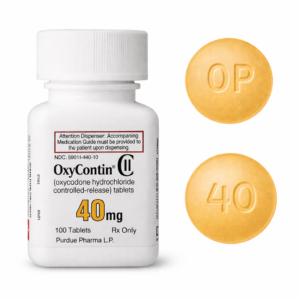
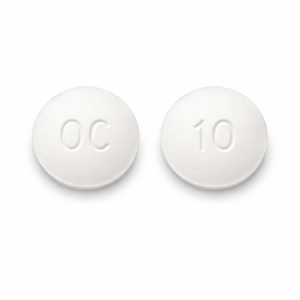
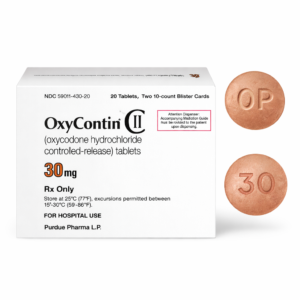
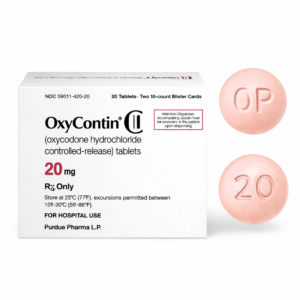
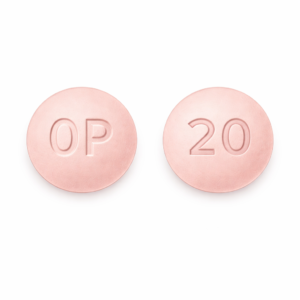
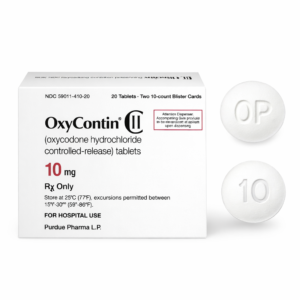
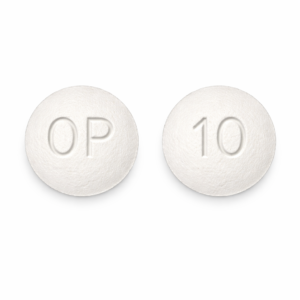
- We provide multiple strengths too
Other Common Side Effects Associated with OxyContin
- Drowsiness or fatigue
- Constipation
- Nausea
- Dizziness
- Dry mouth
These effects often decrease over time or can be managed under medical guidance.
Warnings and Precautions for OxyContin
- High potential for dependence, misuse, or addiction
- Risk of respiratory depression, especially at high doses
- Avoid alcohol and sedatives
- Can impair alertness; avoid driving initially
- Do not stop suddenly without consulting a doctor
Conclusion
OxyContin is an extended-release opioid designed for patients with moderate to severe pain requiring long-term management. It provides consistent relief, improving comfort and daily functioning. Because of its potency, responsible use under medical supervision is essential. Following dosage instructions, understanding potential side effects, and attending regular check-ups ensures effective pain control while minimizing the risk of misuse or complications. OxyContin is a reliable option when pain cannot be managed with lower-strength opioids.
Frequently Asked Questions (FAQs)
- How is OxyContin different from regular oxycodone?
OxyContin is extended-release, providing 12-hour pain relief. - Can OxyContin be used for short-term pain?
It is mainly for long-term pain management, not occasional pain. - Does OxyContin make you sleepy?
Yes, mild drowsiness is a common side effect. - Is there a risk of addiction?
Yes, misuse or long-term use may lead to dependence. - Can OxyContin be taken with food?
Yes, it can be taken with or without food unless advised by a doctor.