
Oxycodone
Oxycodone is a prescription medicine that doctors use to help people manage moderate to strong pain. It is usually given when normal pain medicines no longer work well enough. Many patients receive oxycodone after surgery, serious injuries, or when pain continues for a long time. The aim is not to erase pain completely, but to reduce it so daily life becomes easier. Because it is a strong opioid, it should only be used with proper medical advice.
What Exactly Is Oxycodone?
Oxycodone is an opioid painkiller that affects the brain and nervous system. It changes how pain is felt rather than treating the cause of pain itself. Doctors prescribe it carefully and in different strengths, depending on how much pain a person has and how their body responds. Oxycodone is a controlled medicine because misuse can lead to dependence. This is why following the prescribed dose is very important.
How Oxycodone Works in the Body
Pain signals travel from the body to the brain. Oxycodone slows these signals down. It attaches to pain receptors in the brain and spinal cord, which lowers how intense the pain feels. Some people notice that they feel relaxed or sleepy after taking it, especially at the beginning. This effect is normal, but it means extra care should be taken during daily activities.
Medical Uses of Oxycodone
Doctors may prescribe oxycodone for:
- Pain after operations
- Serious injuries or accidents
- Long-lasting pain conditions
- Cancer-related pain
- Situations where pain needs continuous control
Dosage & Administration – Oxycodone
The dose is different for each person. It depends on pain level, health condition, and whether the patient has taken opioids before. Doctors usually start with a low dose and adjust it slowly if needed.
Strengths we provide:
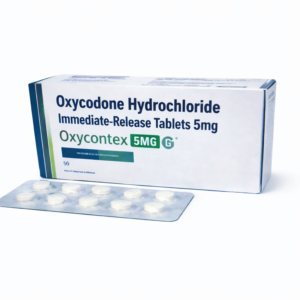
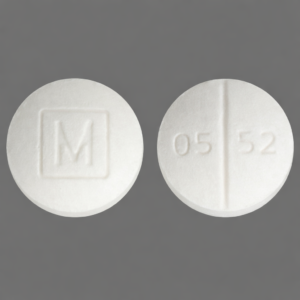
- Oxycodone 5 mg – light pain relief
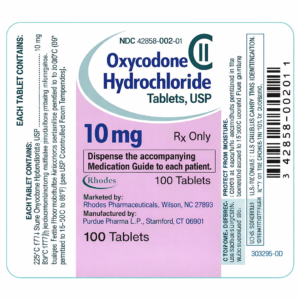
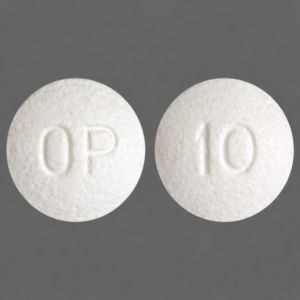
- Oxycodone 10 mg – moderate pain support
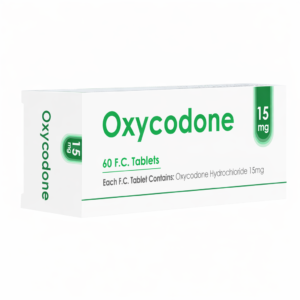
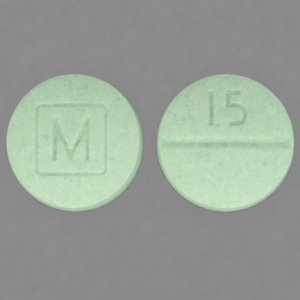
- Oxycodone 15 mg – stronger relief
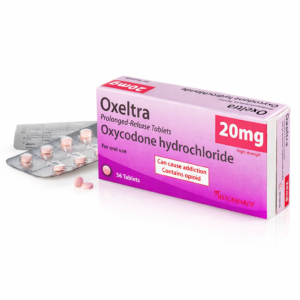
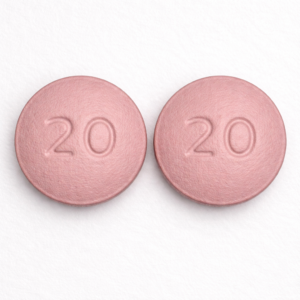
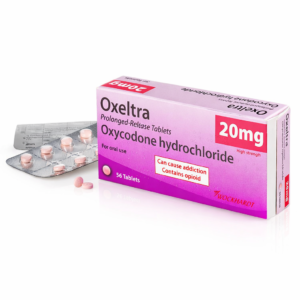
- Oxycodone 20 mg – regular pain control
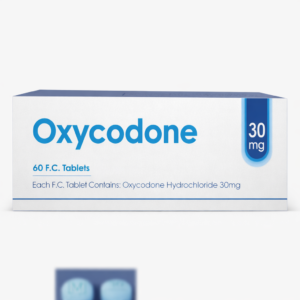
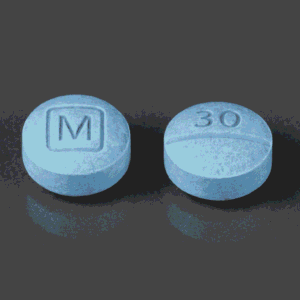
- Oxycodone 30 mg – severe pain cases
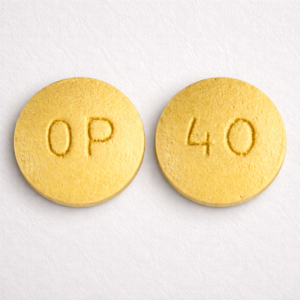
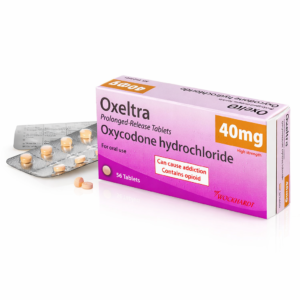
- Oxycodone 40 mg – long-term pain use
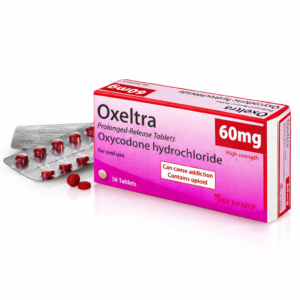
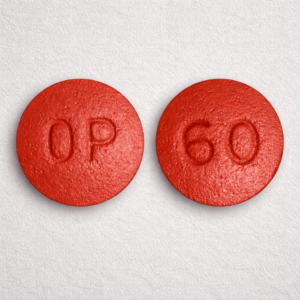
- Oxycodone 60 mg – advanced pain care
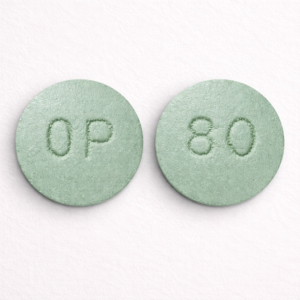
- Oxycodone 80 mg – specialist supervision
Tablets should be swallowed whole. Never change the dose on your own.
Common Side Effects
Some people may experience:
- Feeling sleepy
- Constipation
- Mild nausea
- Dizziness
- Dry mouth
These effects are usually manageable and may reduce over time.
Warnings and Precautions
Oxycodone should be used responsibly.
It can cause dependence if misused.
Alcohol should be avoided.
High doses may slow breathing.
Older adults may need closer monitoring.
Never stop suddenly without medical advice.
Conclusion
Oxycodone is an effective option for people dealing with serious pain when other treatments are not enough. Used correctly, it can improve comfort and help patients manage daily activities more easily. Because it is a strong opioid, careful dosing and medical supervision are essential. Understanding how it works and using it responsibly helps reduce risks and supports safer pain management.
Frequently Asked Questions (FAQs)
- Is oxycodone used only for severe pain?
Mostly for moderate to severe pain. - Can oxycodone be taken long term?
Yes, if monitored by a doctor. - Does oxycodone cause sleepiness?
Yes, especially at the beginning. - Is oxycodone addictive?
It can be if not used properly. - Can it be taken with food?
Yes, unless your doctor says otherwise.