
Description
OxyContin OP 30 mg – An In-Depth Look
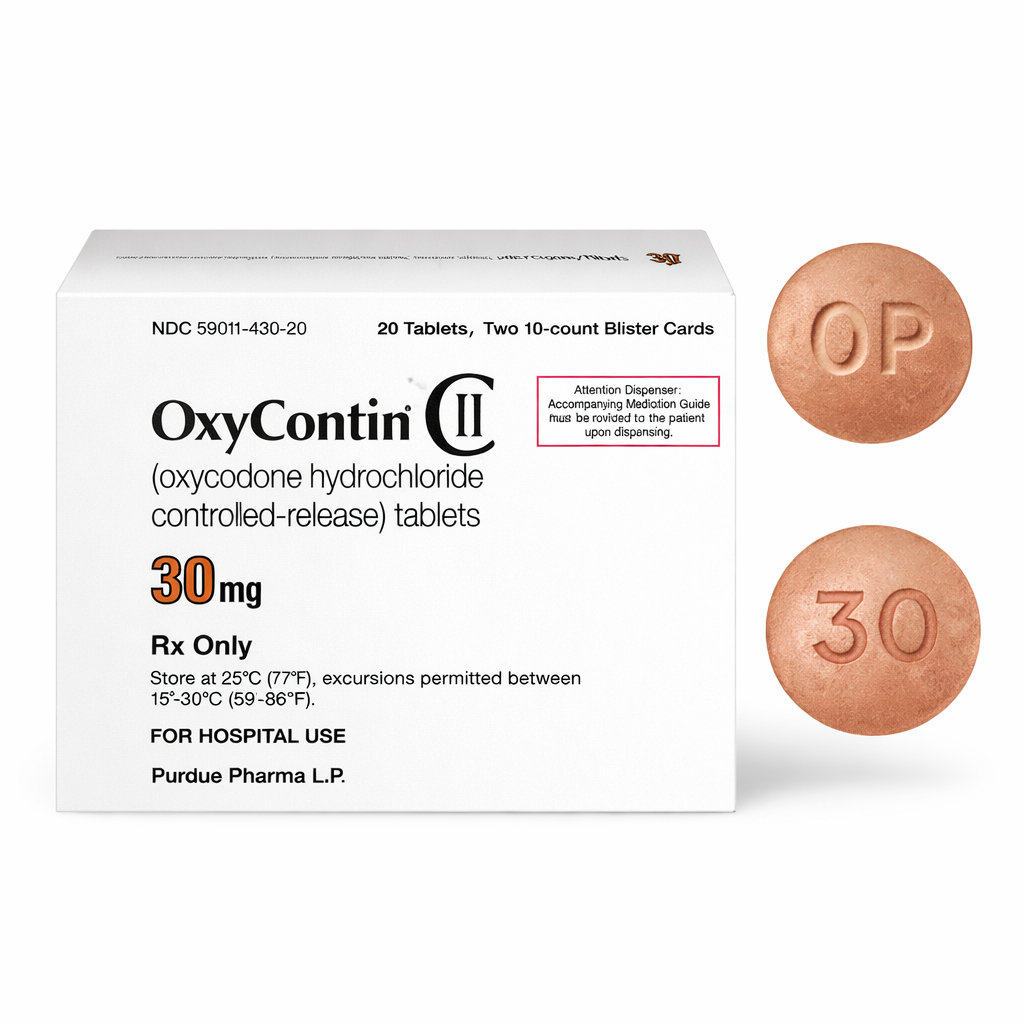
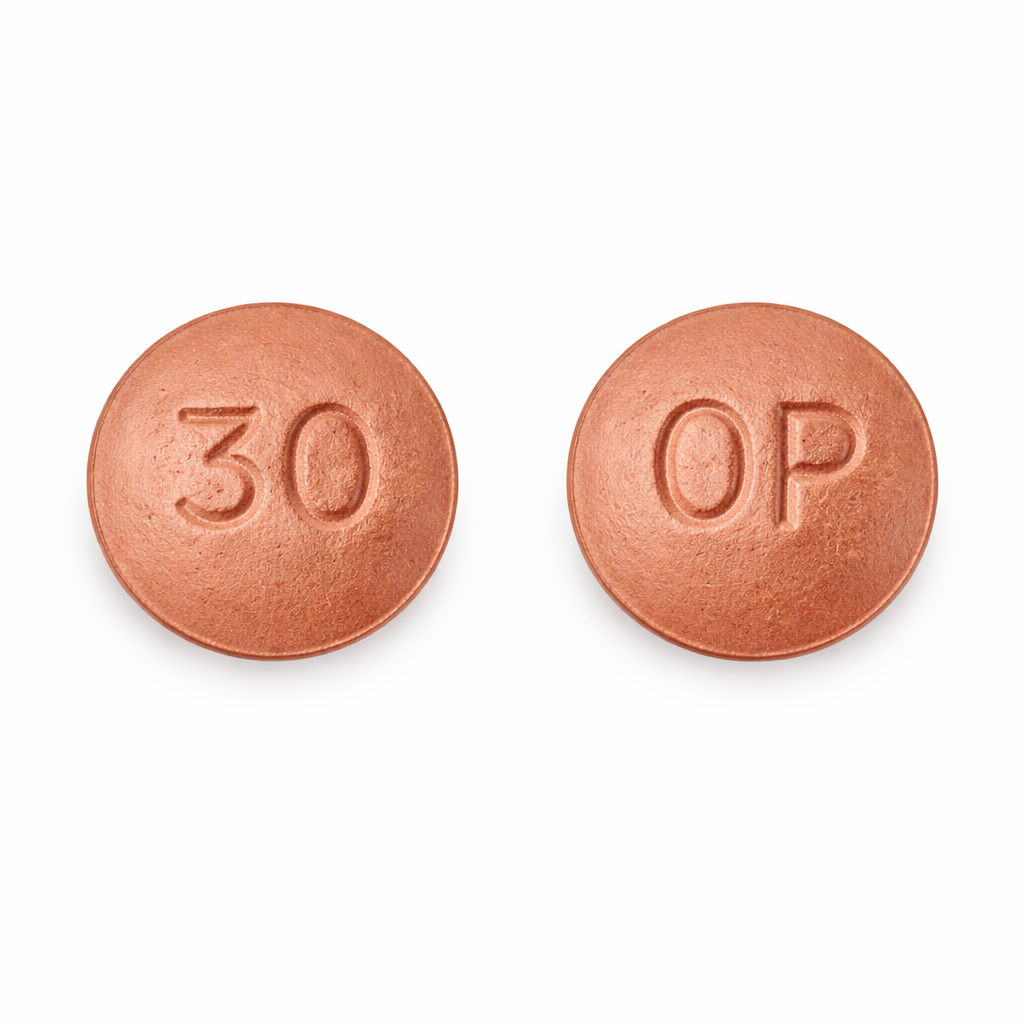
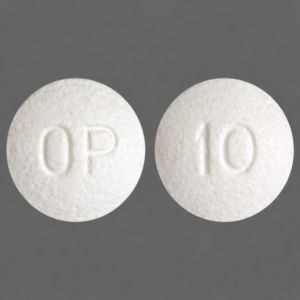
OxyContin OP 30 mg is a moderate-strength, extended-release opioid prescribed for moderate to severe pain. Its extended-release formulation provides up to 12 hours of continuous pain relief, making it suitable for patients who need consistent, long-lasting pain management. It helps maintain daily activity and comfort while ensuring steady control of chronic or post-surgical pain. Proper medical supervision is essential due to the risk of misuse, dependence, or side effects. OxyContin OP 30 mg is ideal for patients already familiar with opioid therapy.
What is OxyContin OP 30 mg?
OxyContin OP 30 mg is an extended-release form of oxycodone designed to treat moderate to severe pain. It is often prescribed for patients with chronic conditions, injury-related pain, or post-surgical recovery. The slow-release mechanism ensures long-lasting, consistent relief over a 12-hour period. Being a controlled substance, it requires strict adherence to the prescribed dosage to prevent misuse, dependence, or serious complications.
How Does OxyContin OP 30 mg Work?
OxyContin OP 30 mg binds to opioid receptors in the brain and spinal cord. This action reduces the intensity of pain signals and alters the perception of pain. The extended-release design provides up to 12 hours of steady pain relief, which is beneficial for chronic or persistent pain. Mild drowsiness or relaxation may occur, which is a normal effect of opioid therapy.
Medical Uses of OxyContin OP 30 mg
OxyContin OP 30 mg is commonly prescribed for:
- Moderate to severe chronic pain
- Post-surgical or injury-related pain
- Cancer-related pain
- Patients requiring consistent, long-term opioid therapy
Dosage & Administration – OxyContin OP 30 mg (Dosing Guide)
The dose depends on pain severity, prior opioid use, and overall health.
Guidelines for safe use:
- Take exactly as prescribed, usually every 12 hours
- Swallow tablets whole; do not crush, chew, or split
- Follow the schedule strictly for consistent relief
- Never adjust the dose without consulting a doctor
Other Common Side Effects Associated with OxyContin OP 30 mg
- Drowsiness or fatigue
- Constipation
- Nausea
- Dizziness
- Dry mouth
Side effects often reduce over time or can be managed under medical supervision.
Warnings and Precautions for OxyContin OP 30 mg
- Risk of dependence, misuse, or addiction
- Can cause respiratory depression, especially at high doses
- Avoid alcohol and sedatives
- May impair alertness; avoid driving initially
- Do not stop suddenly without consulting a doctor
Conclusion
OxyContin OP 30 mg is a moderate-strength, extended-release opioid for patients with moderate to severe pain. It provides consistent, long-lasting relief, enabling patients to maintain comfort and daily activities. Strict adherence to dosage instructions and medical supervision is essential to prevent misuse or complications. Understanding its effects, potential side effects, and precautions ensures safe and effective pain management for patients requiring sustained opioid therapy.
Frequently Asked Questions (FAQs)
- Who should take OxyContin OP 30 mg?
Patients already tolerant to opioids who need moderate-to-strong pain control. - How long does it last?
Provides pain relief for up to 12 hours. - Can it cause sleepiness?
Yes, mild drowsiness is common initially. - Is there a risk of dependence?
Yes, misuse or long-term use may lead to dependence. - Can it be taken with food?
Yes, it can be taken with or without food unless advised by a doctor.



Reviews
There are no reviews yet.