
Description
Oxycodone 40 mg – An In-Depth Look
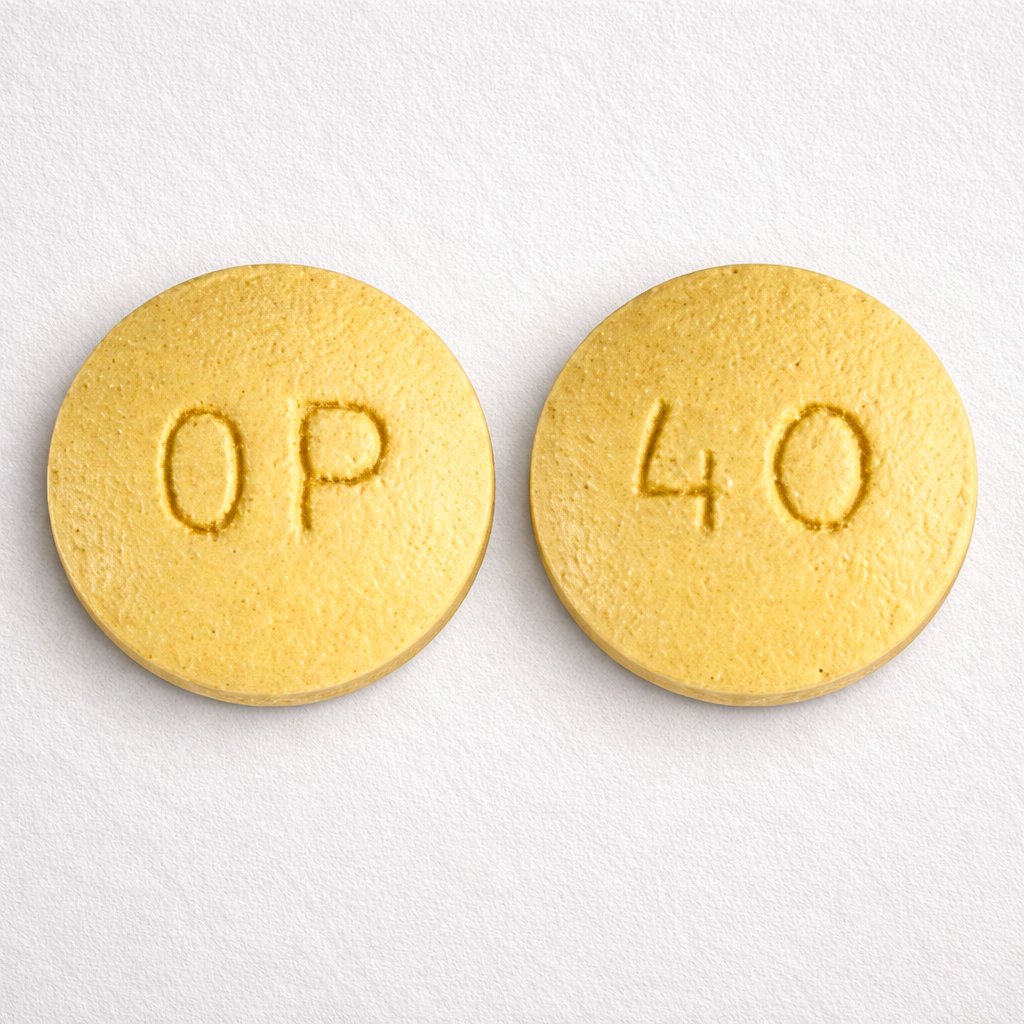
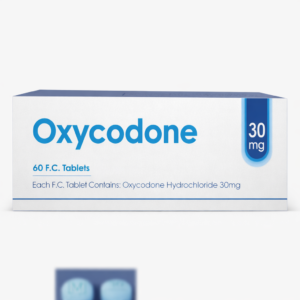
Oxycodone 40 mg is a strong prescription opioid used to treat severe pain that does not respond to lower doses. It is typically prescribed for people who already have experience with opioids and need stronger pain control. This medicine works by reducing how pain signals are processed in the brain and spinal cord, helping patients manage daily activities more comfortably. Due to its potency, Oxycodone 40 mg should always be taken exactly as prescribed and under close medical supervision to avoid side effects or misuse.
What is Oxycodone 40 mg?
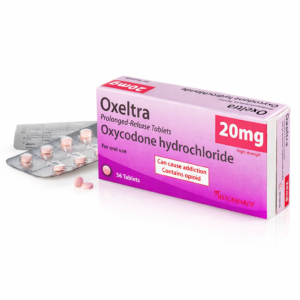
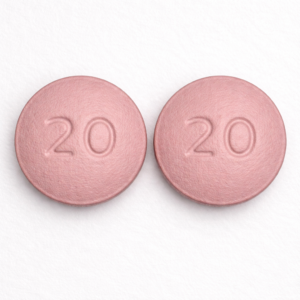
Oxycodone 40 mg is a high-strength opioid painkiller designed for patients who require more than 20 mg or 30 mg to manage pain effectively. It is used for ongoing moderate to severe pain that cannot be relieved by lower doses. This medicine works on the central nervous system to alter the perception of pain. Because it is a controlled medication, it carries risks of dependence or misuse if not used properly. Patients must follow the doctor’s instructions carefully.
How Does Oxycodone 40 mg Work?
Oxycodone 40 mg binds to opioid receptors in the brain and spinal cord. These receptors help control the way the body senses pain. Once activated, the medicine reduces the intensity of pain signals, making discomfort less severe. Some patients may feel drowsy or relaxed at first, which is normal. The 40 mg dose provides stronger and longer-lasting pain relief compared to lower doses, making it suitable for severe or ongoing pain conditions.
Medical Uses of Oxycodone 40 mg
Oxycodone 40 mg is typically used for:
- Severe chronic pain
- Pain after major surgery
- Injury-related pain
- Cancer-related pain
- Cases where lower doses are not sufficient
Dosage & Administration – Oxycodone 40 mg (Dosing Guide)
Dosage is determined based on the patient’s pain, previous opioid exposure, and overall health.
Guidelines for safe use:
- Take exactly as prescribed
- Swallow tablets whole
- Do not crush, chew, or split the tablets
- Follow the schedule provided by your doctor
- Never adjust the dose on your own
Other Common Side Effects Associated with Oxycodone 40 mg
- Drowsiness or fatigue
- Constipation
- Nausea
- Dizziness
- Dry mouth
These effects often improve over time or can be managed with doctor advice.
Warnings and Precautions for Oxycodone 40 mg
- High risk of dependence or misuse
- Can cause respiratory issues if overdosed
- Avoid alcohol and sedatives
- May impair alertness; avoid driving initially
- Older adults should use with caution
- Do not stop suddenly without consulting a doctor
Conclusion
Oxycodone 40 mg is a high-strength opioid used for severe pain that cannot be managed with lower doses. It can help improve comfort and support daily activities when taken responsibly. Due to its potency, careful use under medical supervision is essential. Following the prescribed dose, understanding side effects, and attending regular check-ups ensures effective pain relief and reduces the risk of misuse or complications.
Frequently Asked Questions (FAQs)
- Is Oxycodone 40 mg stronger than 20 mg?
Yes, it provides more potent and longer-lasting pain relief. - Who should take Oxycodone 40 mg?
Patients already familiar with opioids and needing stronger pain control. - Can it cause sleepiness?
Yes, mild drowsiness is common, especially initially. - Is there a risk of dependence?
Yes, misuse or long-term use may lead to dependence. - Can Oxycodone 40 mg be taken with food?
Yes, it can be taken with or without food unless the doctor advises otherwise.




Reviews
There are no reviews yet.