

Description
Oxycodone 60 mg – An In-Depth Look
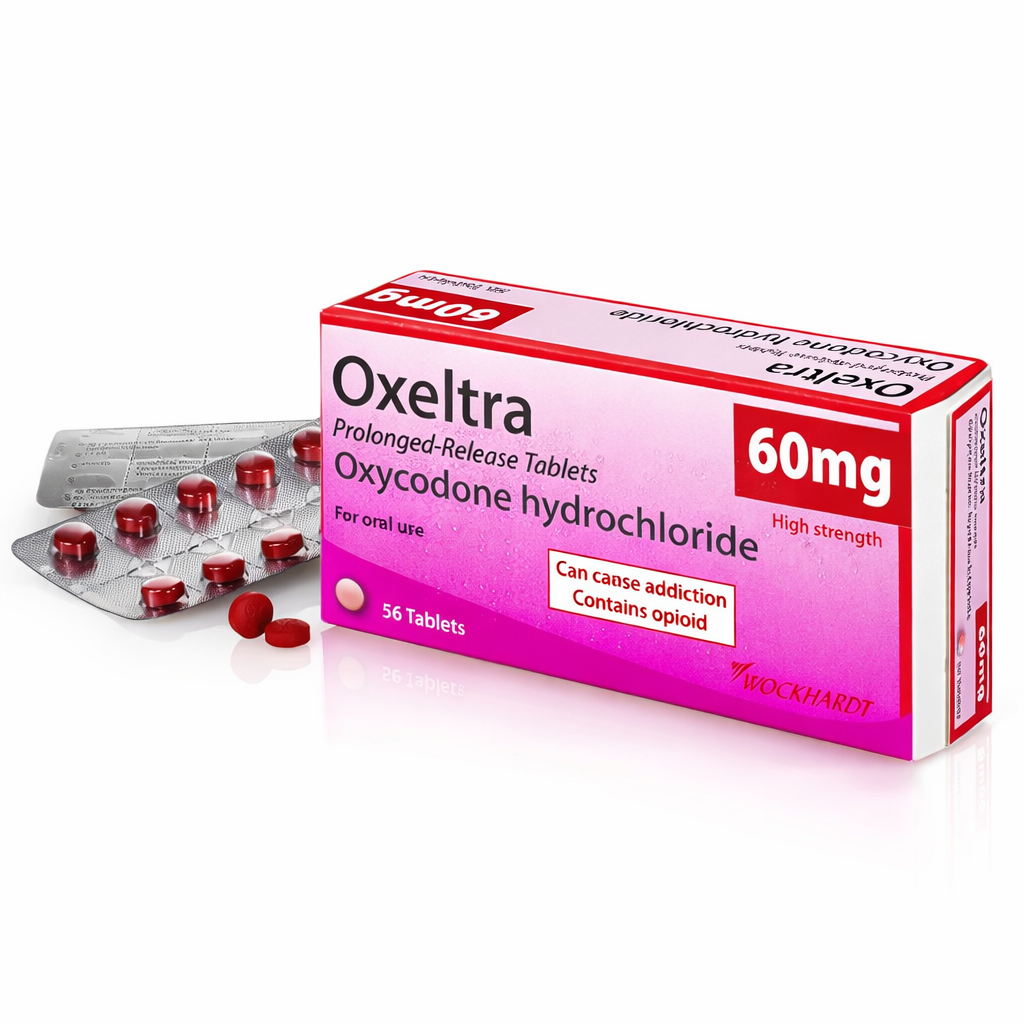
Oxycodone 60 mg is a potent opioid pain medication prescribed for individuals suffering from severe and long-lasting pain. It is typically used when lower-dose pain relievers fail to provide adequate relief. This medication is often part of advanced pain management plans, especially in chronic or serious medical conditions. Oxycodone 60 mg works by altering pain perception in the brain and nervous system. Due to its strength, careful dosing and ongoing medical supervision are essential to ensure safe and effective use.
What is Oxycodone 60 mg?
Oxycodone 60 mg is a high-dose prescription analgesic belonging to the opioid class of medicines. It is designed for patients who already have experience with opioid therapy and require stronger pain control. This dosage is not intended for new opioid users. Oxycodone 60 mg is regulated as a controlled substance because of its potential for misuse, dependence, and overdose. Physicians prescribe it only after assessing the patient’s pain severity and tolerance level.
How Does Oxycodone 60 mg Work?
Oxycodone 60 mg works by interacting with opioid receptors in the central nervous system. These receptors are responsible for transmitting pain signals to the brain. When activated, the medication reduces the intensity of these signals, resulting in decreased pain awareness. It may also produce a calming effect, which can further help patients cope with severe discomfort. The strength of this dose leads to longer and stronger pain relief compared to lower doses.
Medical Uses of Oxycodone 60 mg
Oxycodone 60 mg is commonly prescribed for:
- Severe chronic pain
- Cancer-related pain conditions
- Pain following major surgery
- Long-term injury-related pain
- Patients requiring high-dose opioid treatment
Dosage & Administration – Oxycodone 60 mg (Dosing Guide)
The dosage of Oxycodone 60 mg is determined by a healthcare professional based on pain intensity and opioid tolerance.
Key administration instructions include:
- Take exactly as prescribed
- Swallow tablets whole
- Do not crush, chew, or break
- Follow the prescribed schedule strictly
Dose changes should only be made by a doctor.
Other Common Side Effects Associated with Oxycodone 60 mg
Some patients may experience:
- Drowsiness or fatigue
- Constipation
- Nausea
- Lightheadedness
- Dry mouth
Side effects should be reported if persistent or severe.
Warnings and Precautions for Oxycodone 60 mg
- High risk of dependence and misuse
- Possible breathing difficulties if overdosed
- Avoid alcohol and sedatives
- Not suitable for opioid-naïve individuals
- Requires regular medical monitoring
Conclusion
Oxycodone 60 mg is intended for patients with severe pain who need strong and sustained relief. When used responsibly and under medical supervision, it can significantly improve comfort and daily functioning. However, its high potency requires strict adherence to dosing instructions and ongoing monitoring. Understanding its benefits, risks, and proper use is essential for safe and effective pain management.
Frequently Asked Questions (FAQs)
- Is Oxycodone 60 mg a high-strength dose?
Yes, it is considered a high-dose opioid. - Can first-time users take Oxycodone 60 mg?
No, it is intended for opioid-tolerant patients only. - Is Oxycodone 60 mg used for chronic pain?
Yes, it is commonly prescribed for long-term severe pain. - Does Oxycodone 60 mg cause side effects?
Yes, side effects may occur, especially at higher doses. - Can Oxycodone 60 mg be stopped suddenly?
No, stopping suddenly may cause withdrawal symptoms.









Reviews
There are no reviews yet.